The Complete Guide to Keyword Research
Last Updated: September 23, 2026
⚠️ Educational Notice: This guide provides independent keyword research strategies and best practices. Results vary based on your industry, competition, and implementation. This content is for informational purposes only.
Introduction
Keyword research is the foundation of any successful SEO strategy. By understanding what your target audience is searching for, you can create content that directly addresses their needs and drives qualified traffic to your website. This comprehensive guide will walk you through the entire keyword research process.
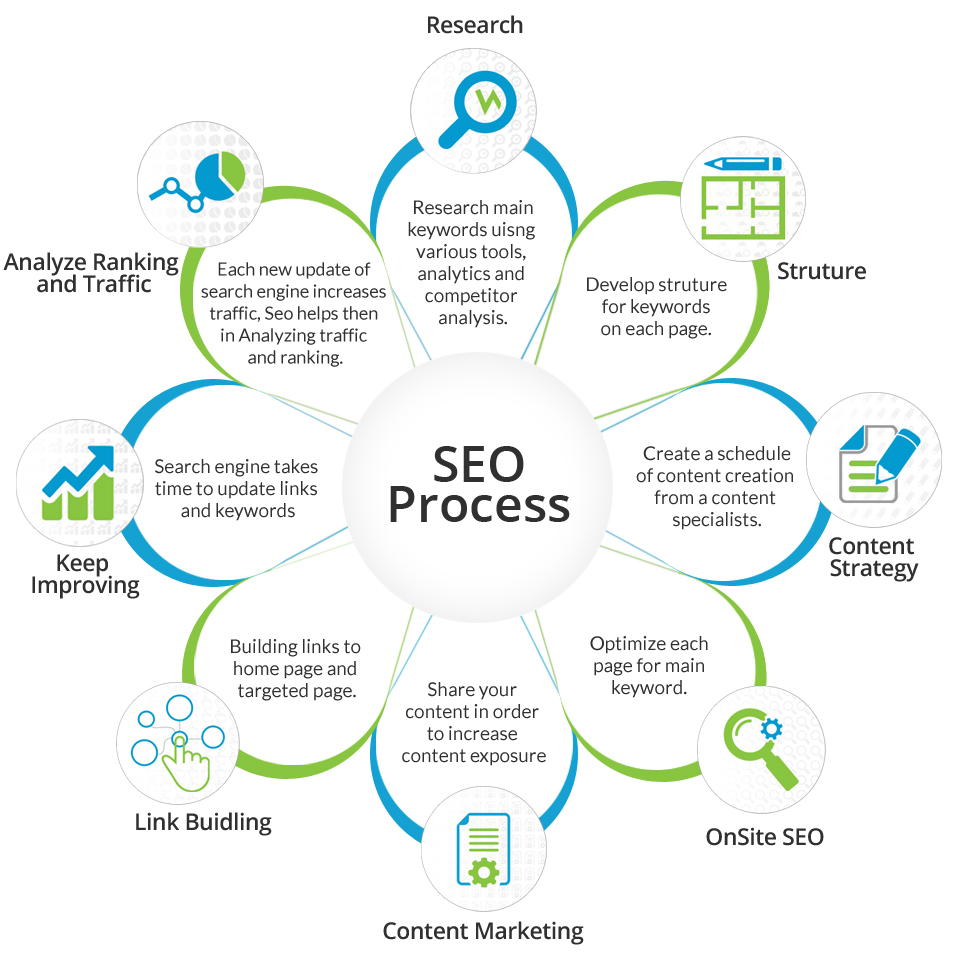
Strategic keyword research process for SEO success
Why Keyword Research Matters
Keyword research helps you:
- Understand Your Audience: Discover what problems your customers are trying to solve
- Find Opportunities: Identify gaps in your content strategy
- Prioritize Efforts: Focus on keywords with high search volume and low competition
- Improve Rankings: Target the right keywords to rank higher in search results
- Drive Qualified Traffic: Attract visitors who are actively looking for your services
Types of Keywords
1. Short-Tail Keywords
Definition: 1-2 word keywords with high search volume but high competition
Example: "SEO services", "digital marketing"
Best For: Building brand authority, targeting broad audiences
2. Long-Tail Keywords
Definition: 3+ word keywords with lower search volume but lower competition
Example: "affordable SEO services for small businesses", "how to improve search rankings"
Best For: Targeting specific audiences, easier to rank for
3. LSI Keywords (Latent Semantic Indexing)
Definition: Related keywords that help search engines understand content context
Example: For "SEO", LSI keywords include "search engine optimization", "ranking factors", "backlinks"
Best For: Improving content relevance and semantic understanding
Step-by-Step Keyword Research Process
Step 1: Brainstorm Seed Keywords
- Think about your business and services
- List 10-20 main topics related to your industry
- Consider what your customers would search for
- Write down common problems your business solves
- Create a list of competitor keywords
Step 2: Expand Your Keyword List
- Use Google Search suggestions (type in Google and see suggestions)
- Check "People Also Ask" section on Google
- Use keyword research tools (Google Keyword Planner, SEMrush, Ahrefs)
- Analyze competitor websites
- Look at related searches at the bottom of Google results
Step 3: Analyze Search Volume and Competition
- Check monthly search volume for each keyword
- Analyze keyword difficulty/competition level
- Look at cost-per-click (CPC) for commercial intent
- Evaluate search intent (informational, commercial, transactional)
- Prioritize keywords with good volume and manageable competition
Step 4: Evaluate Search Intent
Informational Intent: User wants to learn something ("how to improve SEO")
Commercial Intent: User is researching before buying ("best SEO services")
Transactional Intent: User wants to buy ("buy SEO services")
Local Intent: User wants local results ("SEO services near me")
Step 5: Create Your Keyword Strategy
- Organize keywords by topic and intent
- Assign keywords to specific pages
- Prioritize high-value keywords
- Plan content for each keyword
- Create a keyword tracking system
Best Keyword Research Tools
| Tool | Best For | Price |
|---|---|---|
| Google Keyword Planner | Free keyword research, search volume | Free |
| SEMrush | Competitor analysis, keyword difficulty | Paid |
| Ahrefs | Backlink analysis, keyword research | Paid |
| Ubersuggest | Budget-friendly, keyword suggestions | Affordable |
| Moz Keyword Explorer | Keyword difficulty, SERP analysis | Paid |
Common Keyword Research Mistakes to Avoid
❌ Mistake 1: Only Targeting High-Volume Keywords
High-volume keywords are competitive. Mix them with long-tail keywords for better results.
❌ Mistake 2: Ignoring Search Intent
Creating content that doesn't match search intent won't rank well. Always consider what users want.
❌ Mistake 3: Not Analyzing Competition
Check what competitors are ranking for and how difficult it is to rank for those keywords.
❌ Mistake 4: Forgetting About Local Keywords
If you serve a specific area, include location-based keywords in your strategy.
Keyword Research Best Practices
- Focus on User Intent: Create content that answers what users are searching for
- Use Modifiers: Add modifiers like "best", "affordable", "near me" to target specific audiences
- Monitor Rankings: Track your keyword rankings over time
- Update Regularly: Refresh your keyword strategy quarterly
- Analyze Competitors: See what keywords your competitors are targeting
- Consider Seasonality: Some keywords are seasonal; plan accordingly
- Balance Keywords: Mix high-volume and long-tail keywords
Conclusion
Keyword research is an ongoing process that forms the foundation of your SEO strategy. By following this guide and regularly analyzing your keyword performance, you'll be able to attract more qualified traffic to your website and improve your search engine rankings.
Remember that keyword research is not a one-time task. As your business grows and market conditions change, your keyword strategy should evolve as well. Continuously monitor your rankings, analyze user behavior, and adjust your approach accordingly.
📞 Need Professional Help? If you're struggling with keyword research or SEO strategy, our team can help you identify the best keywords for your business. Contact us today for a free consultation.
⚖️ Disclaimer: This guide is provided for educational purposes. Keyword research results vary based on your industry, competition, and implementation. Results depend on many factors including market conditions, algorithm updates, and your overall SEO strategy. For official guidance, consult Google's SEO Starter Guide.